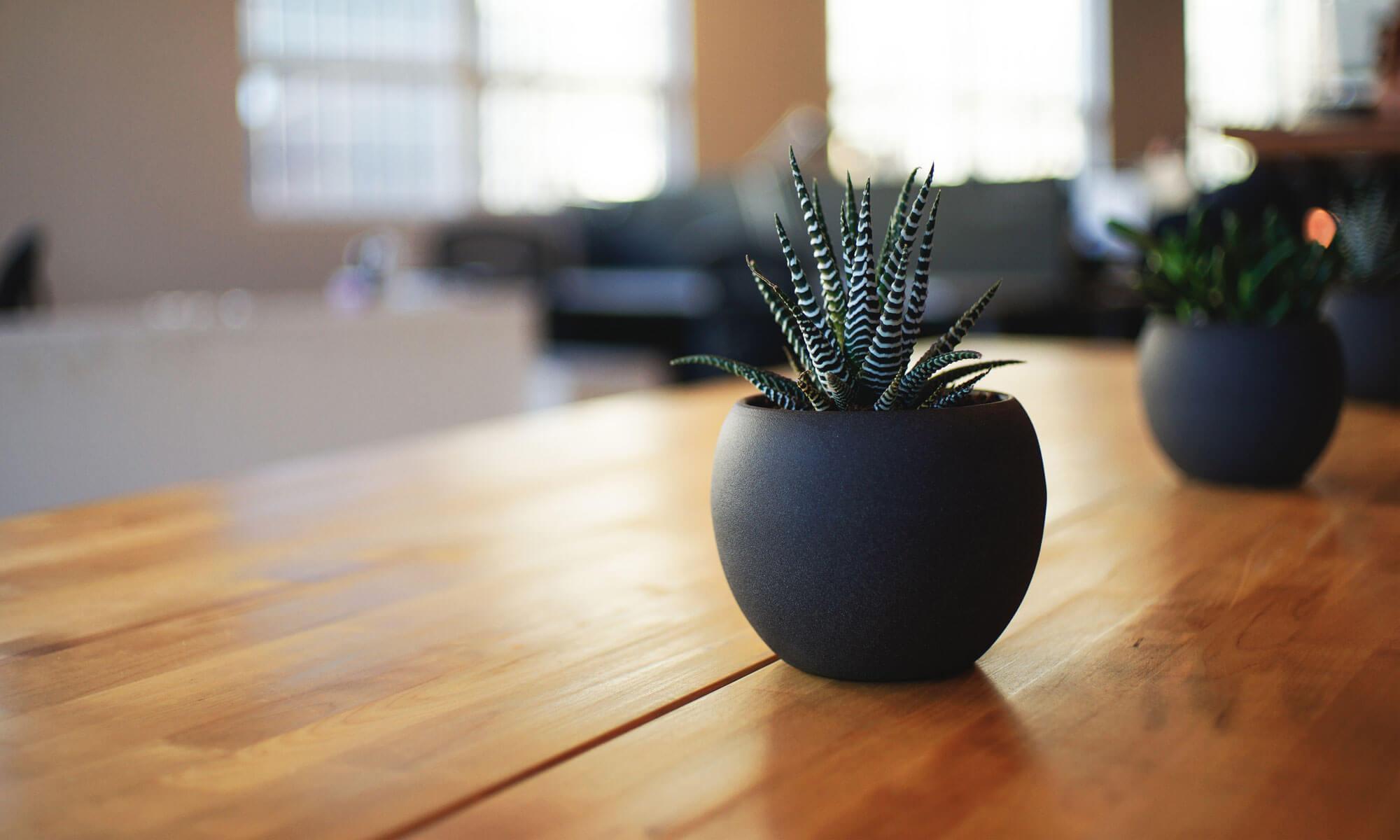
- Subtle finishes and balanced layouts enhance beautiful interior design for lasting homes
- Understanding Space Planning and Flow
- The Importance of Focal Points
- Color Psychology and Material Selection
- Textural Contrast and Visual Weight
- Lighting Design: Setting the Mood and Functionality
- Integrating Smart Lighting Systems
- Furnishings and Accessories: The Finishing Touches
- The Evolution of Sustainable Interior Spaces
Subtle finishes and balanced layouts enhance beautiful interior design for lasting homes
The pursuit of beautiful spaces is a fundamental human desire, and at the heart of achieving this lies effective interior design. It’s more than just aesthetics; it's about crafting environments that enhance well-being, functionality, and personal expression. A well-designed interior doesn’t simply look good; it feels right, supporting the activities that take place within its walls and reflecting the personalities of those who inhabit it. This involves a careful consideration of space planning, color palettes, material selections, and the integration of lighting and furnishings.
Successful interior design is a delicate balance between artistry and practicality. It requires an understanding of architectural principles, a keen eye for detail, and the ability to translate a client's vision into a tangible reality. Furthermore, it's a constantly evolving field, influenced by trends, technological advancements, and a growing awareness of sustainability. From cozy residential spaces to dynamic commercial environments, the principles of good design remain constant: harmony, balance, and a thoughtful response to the needs of the user. Creating spaces that are both beautiful and functional is the ultimate goal.
Understanding Space Planning and Flow
Space planning is arguably the most critical aspect of interior design, impacting everything from the overall feel of a room to its practical usability. It begins with a thorough assessment of the available space, taking into account its dimensions, shape, and existing architectural features. A skilled designer understands how to maximize space, even in challenging layouts, by strategically positioning furniture and utilizing vertical space effectively. The goal is to create a layout that promotes a comfortable and natural flow of movement, avoiding congestion and ensuring easy access to all areas.
Consider the function of each space when planning. A living room, for example, might require a central seating arrangement conducive to conversation, while a dining room needs ample space for seating and serving. Kitchens demand a well-defined work triangle between the sink, stove, and refrigerator to optimize efficiency. Beyond functionality, space planning also influences the perceived size of a room. Using light colors, strategically placed mirrors, and minimal clutter can create the illusion of spaciousness, even in smaller areas. It’s vital to not overcrowd a space, allowing room for personal comfort and easy navigation.
The Importance of Focal Points
Within a well-planned space, establishing a focal point draws the eye and creates visual interest. This could be a striking piece of art, a dramatic fireplace, a large window with a captivating view, or even a carefully curated gallery wall. Everything else in the room should be arranged in relation to this focal point, creating a sense of balance and harmony. Consider the scale of the focal point relative to the size of the room – a small focal point can get lost in a large space, while an overly large one can overwhelm a smaller area. The placement and prominence of a focal point can profoundly impact the mood and atmosphere of a room.
| Furniture Placement | Arrangement for flow and conversation |
| Color Palette | Impact on spaciousness and mood |
| Lighting | Creating ambiance and highlighting features |
| Accessories | Adding personality and completing the look |
Effective space planning goes beyond simply arranging furniture; it’s about creating an environment that supports the activities of its inhabitants and enhances their quality of life. By carefully considering these elements, designers can transform even the most challenging spaces into beautiful and functional homes.
Color Psychology and Material Selection
The impact of color on our emotions and perceptions is profound. In interior design, color psychology plays a vital role in setting the mood and atmosphere of a space. Warm colors like reds, oranges, and yellows tend to evoke feelings of energy, warmth, and excitement, making them suitable for social areas like living rooms and dining rooms. Cool colors like blues, greens, and purples promote relaxation, tranquility, and focus, making them ideal for bedrooms and home offices. Neutral colors like grays, whites, and beiges provide a versatile backdrop for layering textures and accents.
Selecting the right color palette isn’t just about choosing colors you like; it’s about understanding how those colors interact with each other and with the surrounding environment. Consider the amount of natural light in the room, as colors can appear different under varying light conditions. Don't be afraid to experiment with different shades and tones to create depth and dimension. Beyond color, the choice of materials also significantly impacts the overall aesthetic and feel of a space. Natural materials like wood, stone, and linen bring warmth and texture, while synthetic materials like metal and glass offer a more modern and sleek look.
Textural Contrast and Visual Weight
Creating visual interest through textural contrast is a key element of successful design. Combining smooth surfaces with rough textures, or matte finishes with glossy ones, adds depth and complexity to a space. Think about pairing a velvet sofa with a rustic wooden coffee table, or a silk rug with a textured stone fireplace. This contrast creates a more dynamic and engaging environment. Similarly, the visual weight of different materials should be considered. Darker colors and heavier textures tend to have more visual weight, while lighter colors and lighter textures appear more airy and delicate.
- Consider natural light sources when choosing colors.
- Use a color wheel to understand color relationships.
- Balance warm and cool tones for a harmonious palette.
- Don't underestimate the power of neutral colors.
The careful selection of colors and materials, combined with an understanding of their psychological impact and textural properties, can transform a space from ordinary to extraordinary. It’s a nuanced process that requires a keen eye for detail and a deep understanding of design principles.
Lighting Design: Setting the Mood and Functionality
Lighting is often underestimated in interior design, yet it’s one of the most transformative elements. It has the power to dramatically alter the mood, highlight architectural features, and enhance the overall functionality of a space. A well-designed lighting scheme incorporates multiple layers, including ambient, task, and accent lighting. Ambient lighting provides overall illumination, while task lighting focuses on specific areas for activities like reading or cooking. Accent lighting highlights artwork, architectural details, or other focal points. Each layer contributes to the overall effectiveness of the lighting design.
Beyond the type of lighting, the color temperature of the light source also plays a crucial role. Warm white light (around 2700K) creates a cozy and inviting atmosphere, while cool white light (around 5000K) provides a more energizing and focused environment. Choosing the right color temperature for each space is essential. Consider using dimmers to control the intensity of the light and create different moods. The placement of light fixtures is also critical – strategically positioned lights can accentuate positive features and minimize unwanted shadows. Incorporating natural light whenever possible is also key to a successful design.
Integrating Smart Lighting Systems
Modern technology has revolutionized lighting design with the introduction of smart lighting systems. These systems allow you to control the intensity, color, and timing of your lights remotely, using a smartphone or voice assistant. This offers unparalleled convenience and flexibility, allowing you to create custom lighting scenes for different activities and moods. Smart lighting can also be integrated with security systems and motion sensors, providing added peace of mind. Moreover, these systems are energy-efficient, reducing your electricity bill and minimizing your environmental impact.
- Start with a plan outlining the layers of lighting.
- Consider the color temperature for each space.
- Utilize dimmers to control light intensity.
- Explore smart lighting options for added convenience.
Effective lighting design is a sophisticated art that requires a careful consideration of function, aesthetics, and technology. By layering different types of light and incorporating smart systems, designers can create spaces that are both beautiful and practical.
Furnishings and Accessories: The Finishing Touches
Selecting the right furnishings and accessories is where interior design truly comes to life. These elements not only provide functionality but also reflect the personality and style of the inhabitants. When choosing furniture, consider the scale and proportion of the room, as well as the overall design aesthetic. Opt for pieces that are comfortable, durable, and visually appealing. Investing in quality pieces that will last for years is always a worthwhile decision. Don't be afraid to mix and match different styles and textures to create a unique and eclectic look.
Accessories are the finishing touches that add personality and character to a space. These include artwork, rugs, pillows, curtains, and decorative objects. Carefully curated accessories can transform a bland room into a welcoming and inviting home. When selecting accessories, consider the color palette and overall design theme. Use accessories to add pops of color, texture, and visual interest. Remember that less is often more – avoid cluttering the space with too many accessories. The goal is to create a cohesive and harmonious look that reflects your personal style.
The Evolution of Sustainable Interior Spaces
The growing awareness of environmental issues has led to a significant shift in interior design towards sustainability. Clients are increasingly seeking eco-friendly materials and practices that minimize their environmental impact. This includes choosing furniture made from sustainably sourced wood, using low-VOC paints and finishes, and incorporating energy-efficient lighting and appliances. Sustainable design isn’t just about environmental responsibility; it also often leads to healthier and more comfortable indoor environments. Utilizing natural materials, optimizing natural light, and improving indoor air quality can all contribute to a more sustainable and livable space.
Furthermore, incorporating repurposed or vintage furniture is a fantastic way to reduce waste and add unique character to a design. Choosing durable and timeless pieces that can be passed down through generations is also a sustainable practice. Designers are also focusing on creating spaces that are adaptable and flexible, allowing them to be easily modified to meet changing needs over time. This reduces the need for frequent renovations and minimizes waste. The future of interior design lies in creating spaces that are not only beautiful and functional but also environmentally responsible.